
What Due Diligence Actually Looks Like
If the strongest institutions are the foundation of lasting conservation, an obvious question follows.
How does a donor recognize one?
Conservation philanthropy has devoted considerable attention to evaluating projects. Considerably less attention has been given to evaluating organizations. The distinction matters because projects are temporary. Organizations accumulate knowledge, relationships and judgment over time. A well-designed project implemented by a weaker institution rarely produces durable, lasting results. A strong institution can often improve an imperfect project through adaptation and experience.
Traditional due diligence remains indispensable.
Financial statements should be reviewed, governance structures should be examined and legal compliance, internal controls, audited accounts and organizational policies all deserve careful attention. These practices protect both donors and grantees, and they establish the confidence necessary for long-term partnerships.
They are also insufficient.
An organization cannot be understood from documents alone.
Its greatest assets rarely appear on a balance sheet.
Institutional judgment reveals itself through observation.
It becomes apparent in conversations with staff who have remained with the organization for many years. It emerges during discussions with neighboring organizations, local governments, Indigenous leaders, farmers, researchers and community members who have worked alongside the organization over time. It becomes visible in the quality of relationships rather than the polish of presentations.
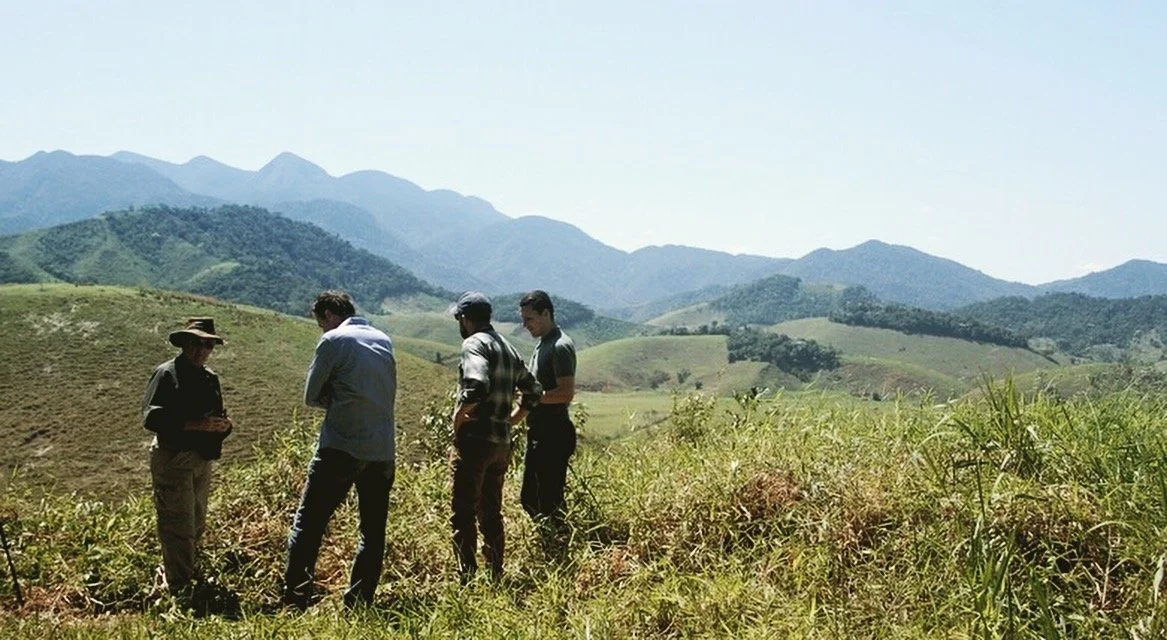
For this reason, we have found that field visits remain indispensable.
Visit the field. Meet senior leadership. Become acquainted with the staff responsible for implementing the work.
Ask where people come from. Ask how long they have worked there. Ask why they chose to stay. Observe whether decisions appear centralized or shared. Notice how the organization speaks about neighboring communities. Carefully listen to how neighboring communities speak about the organization.
Reputation is often a more reliable indicator than presentation.
Organizations deeply rooted within a landscape are rarely known only by the work they perform. They become known by the relationships they sustain. Local governments seek their advice. Community leaders trust them. Researchers collaborate with them. Neighboring organizations describe them as reliable partners rather than competitors.
None of these qualities neatly appears within a proposal.
They nevertheless most often determine whether lasting conservation succeeds.
History also deserves attention.
Every landscape carries its own political, cultural, ecological and economic history. Organizations working within their landscapes for decades often possess knowledge that cannot be transferred through reports or technology. They understand previous conservation efforts, historical conflicts, failed interventions, customary land use, informal leadership structures and the subtle dynamics shaping community decision-making.
This knowledge represents institutional capital. Institutional capital cannot be purchased or quickly attained. Nor can it be replicated by organizations arriving from outside.
Perhaps the most revealing conversations concern the future rather than the past. When asked what they hope to accomplish over the next decade, exceptional organizations rarely begin by describing grants they wish to receive. They describe landscapes and waterscapes they hope to restore, communities they hope to strengthen and institutions they hope to build. Funding appears within a broad vision.
This difference is subtle.
It is also profound.
Organizations primarily focused on projects often define success by completing activities. Organizations focused on stewardship define success by strengthening their ability to continue serving their locales long after any particular project has concluded.
For donors, this suggests due diligence should extend beyond financial risk.
One would be best advised to seek evidence of institutional maturity, community legitimacy, adaptive capacity and long-term stewardship. These qualities require more effort to evaluate than project budgets or annual reports. Yet, they also offer a far stronger indication of whether an investment is likely to endure.