
Lessons from a Decade Working Between Donors and Local Organizations
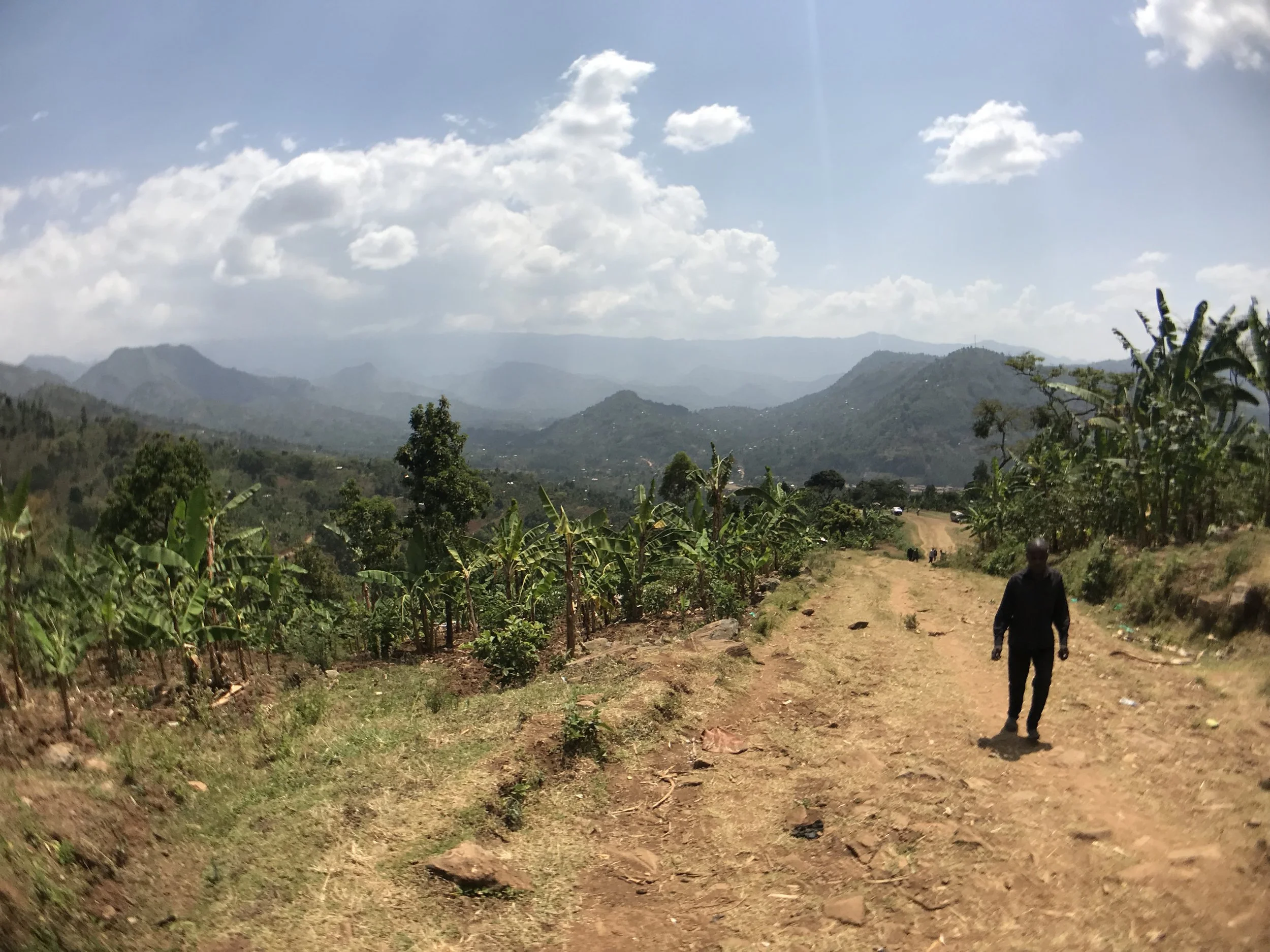
Over the past half century, conservation philanthropy has mobilized billions of dollars to protect biodiversity, restore ecosystems and support communities living alongside some of the most crucial natural landscapes and waterscapes on our planet. During this time, remarkable progress has been made. Millions of acres have been protected, species once on the brink of extinction have recovered, new protected areas have been established, degraded landscapes restored and conservation has become a mainstream concern among governments, businesses and private philanthropy.
Yet an uncomfortable question remains.
Why do some conservation efforts continue to produce lasting results while others, despite substantial funding and careful planning, struggle to endure once the grant has ended?
Here we answer the ‘why,’ which is less about the quality of individual projects and more about the strength of the institutions responsible for carrying them forward.
For much of the past decade, Lookfar has occupied an unusual position within conservation philanthropy. We have advised foundations developing conservation portfolios while simultaneously working alongside small, locally led organizations across Latin America and Sub-Saharan Africa. Our unique perspective has allowed us to observe conservation from both sides of the funding relationship: how donors evaluate opportunities and structure grants and measure success along with how local organizations navigate the practical realities of protecting landscapes while managing communities, governments, finances and uncertainty.
Several observations have emerged consistently across countries, ecosystems and organizations.
First, successful conservation depends less on directing local organizations and more on strengthening their ability to exercise sound local judgment. Conservation is ultimately implemented by people who understand the landscapes in which they live. Their knowledge extends beyond ecology to include history, culture, politics, economics, relationships and the countless practical realities contouring whether a project succeeds or fails. Effective philanthropy strengthens this capacity rather than finding a substitute for it.
Second, projects and institutions should not be confused. Philanthropy has become highly effective at funding projects. It has been less successful at investing in the organizational capacity required to sustain those projects over decades. Legal systems, governance, financial management, communications, scientific capacity, leadership development, community relationships and organizational resilience are often treated as administrative overhead. In practice, they are among the principal determinants of conservation success.
Third, conservation unfolds on ecological and institutional timescales that rarely correspond to annual grant cycles or conventional reporting frameworks. Forests regenerate over decades, trust develops gradually and community leadership evolves through repeated experience rather than prescribed milestones. In other words, accountability remains essential but measurement of institutional progress must be assessed, in equal measure, alongside project outputs.
Finally, lasting conservation relies upon relationships rather than transactions. The most effective donors contribute more than financial resources by providing continuity, judgment, special expertise and the flexibility necessary to respond as conditions change. Likewise, the strongest local organizations offer more than project implementation. They provide place-based knowledge, long-term stewardship, institutional memory and the capacity to adapt as landscapes and communities evolve.
These conclusions suggest that an important opportunity exists for conservation philanthropy.
The next generation of conservation investment ought to focus not only on financing projects but on strengthening the local institutions making effective projects possible.
Funding enables conservation. Strong institutions sustain it.
In the following weeks we will examine why this distinction matters, how it changes the practice of philanthropy and what our donors can do to build conservation organizations capable of protecting landscapes not only during the life of a grant, but for generations thereafter.